
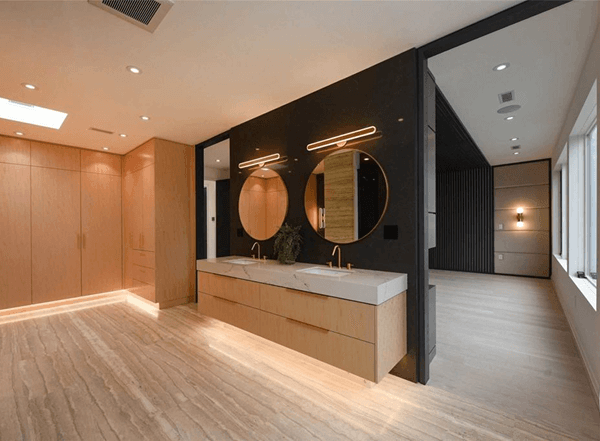
Building a custom home is an exciting yet complex process that requires attention to detail at every stage. Whether you’re overseeing the project yourself or working closely with a builder, understanding Custom Home Quality Standards is crucial to ensure that your home meets high standards of safety, durability, and aesthetic appeal. Knowing what to inspect at each stage of construction helps prevent costly mistakes, delays, and subpar workmanship.
Throughout the custom home building process, ensuring that Custom Home Quality Standards are met at each stage is essential to the integrity and longevity of the home. By inspecting the foundation, framing, rough-ins, insulation, finishing, and exterior, you ensure that your custom home is built to last. After construction, our Property Maintenance & Repair service ensures your home remains in top condition, preserving its quality and value for years to come.
Why Custom Home Quality Standards Matter?
Building a custom home is not just about following local building codes; it’s about creating a home that reflects your vision and stands the test of time. Custom Home Quality Standards ensure that your home is built with high-quality materials, excellent craftsmanship, and attention to detail. Without these standards, you risk compromising the longevity, safety, and functionality of your home.
Adhering to Custom Home Quality Standards allows for:
- Structural integrity: Ensuring your home is safe and durable for decades.
- Energy efficiency: Minimizing long-term energy costs.
- Aesthetic quality: Ensuring the home looks as good as it functions.
Throughout this report, we’ll guide you on what to inspect during each phase, so you can be sure your home is built to last.
Stages of Construction and What to Inspect
The construction of a custom home involves multiple stages, and each one requires specific inspections to ensure Custom Home Quality Standards are met. Below is an overview of each stage, including detailed information on what to inspect.
1. Pre-Construction and Foundation Stage
The foundation is one of the most important parts of the construction process. It’s critical that this stage meets quality standards because a poor foundation can cause structural issues later on.
What to Inspect at This Stage:
- Site Survey and Soil Test: Before construction begins, a professional survey and soil test should be conducted to determine the soil’s load-bearing capacity. This ensures that your home is built on stable ground.
- Foundation Design and Footings: Ensure that the footings are sized and positioned according to the foundation design. These footings must be placed at the correct depth to prevent settling.
- Concrete Quality: The concrete used for the foundation must meet the required strength standards. A mix of the right proportions of sand, cement, and water is necessary.
- Waterproofing and Drainage: Proper waterproofing must be applied to prevent water from entering the foundation. Ensure the installation of a drainage system (e.g., weeping tiles) around the foundation to protect against moisture buildup.
Tip: Make sure that a drainage plan is in place to avoid water pooling around the foundation, which could lead to damage.
2. Framing and Structural Inspection
Once the foundation is in place, the framing stage begins. This is when the structural components of your home, such as walls, roof systems, and floors, are built. Quality framing ensures the structural integrity of your home.
What to Inspect at This Stage:
- Plumb and Level: All framing components should be plumb (vertical) and level (horizontal) to ensure proper alignment and support for subsequent layers of construction.
- Wall and Roof Framing: Ensure that the framing follows the approved architectural plans, with no unauthorized changes made to load-bearing walls or support beams.
- Headers, Beams, and Rafters: These critical structural elements must be installed correctly, using the right materials and fasteners.
- Sheathing: The sheathing, whether plywood or oriented strand board (OSB), should be securely fastened and aligned. Gaps or improper placement can weaken the structure.
| Element to Inspect | What to Look For |
| Wall Framing | Check for square alignment and correct spacing |
| Roof Trusses | Ensure trusses are aligned with load-bearing beams |
| Support Beams | Confirm that beams are installed according to specifications |
Custom Home Quality Standards here ensure your home is structurally sound and capable of handling its own weight, as well as external factors like wind and snow.
3. Rough-In Stage (Electrical, Plumbing, HVAC)
The rough-in stage involves the installation of the home’s major systems—electrical wiring, plumbing pipes, and HVAC (heating, ventilation, and air conditioning) ducts. It is important that these systems are installed to code to ensure safety and efficiency.
What to Inspect at This Stage:
- Electrical Wiring: Ensure that wiring is done by certified electricians, and all outlets, switches, and panels are installed according to the plan. Wires should be properly anchored and spaced to prevent damage or short circuits.
- Plumbing: Inspect the placement of water pipes, sewer lines, and vent pipes. Pipes should be secured and free of kinks or obstructions.
- HVAC Ducts: Ensure that ductwork is properly aligned and insulated to prevent energy loss. All vents, registers, and returns should be properly installed.
| System | Inspection Checklist |
| Electrical Wiring | Confirm proper grounding, wire size, and panel placement |
| Plumbing | Test for leaks and check pipe supports |
| HVAC | Verify duct sealing and insulation |
Custom Home Quality Standards for these systems guarantee your home operates safely and efficiently, saving you money on energy bills.
4. Insulation and Energy Efficiency Inspection
Good insulation is critical for both energy efficiency and comfort. During this stage, the walls, attic, and floors are insulated to keep the home at a comfortable temperature year-round.
What to Inspect at This Stage:
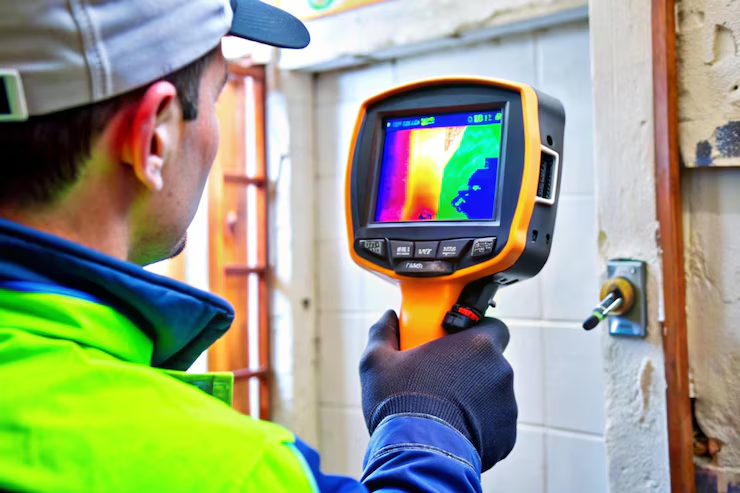
- Insulation Type and R-value: Check that the insulation used meets the required R-value for the region. The higher the R-value, the better the insulation’s ability to resist heat flow.
- Installation Quality: Ensure that insulation is installed without gaps, compressions, or misalignments. Any gaps can lead to heat loss and cold spots.
- Air/Vapor Barriers: Inspect that all air/vapor barriers are intact, particularly around windows, doors, and ducts, to prevent moisture issues.
Tip: Proper insulation not only ensures comfort but can also significantly reduce your heating and cooling costs.
5. Drywall, Painting, and Finishing Touches
The finishing phase is when the home starts to look like your dream space. This includes drywall installation, painting, and other final touches.
What to Inspect at This Stage:
- Drywall: Ensure that the drywall is installed with seams properly taped and sanded. There should be no visible nails or screws after finishing.
- Paint: Check for smooth, even coats of paint with no drips or streaks.
- Trim and Cabinetry: Ensure that cabinets, baseboards, and other trim are properly aligned and securely attached.
| Element to Inspect | What to Look For |
| Drywall Finishing | Even surface, no visible seams, proper sanding |
| Paint | Smooth, even finish, no runs or streaks |
| Cabinets and Trim | Proper alignment, secure attachment, smooth finish |
Custom Home Quality Standards during the finishing stage ensure your home is both beautiful and durable.
6. Exterior and Landscaping Inspection
The exterior of your custom home is the first thing you and your guests will see. Ensuring high-quality construction at this stage protects your home from the elements and boosts curb appeal.
What to Inspect at This Stage:
- Roofing and Siding: Verify that the roofing material is installed according to manufacturer’s guidelines. Check for gaps or areas where water could potentially leak in.
- Windows and Doors: Ensure that windows and doors are properly sealed to prevent drafts and water intrusion. Proper caulking is essential.
- Landscaping: Inspect that the grading around the home slopes away from the foundation to ensure water runoff doesn’t pool near the house.
| Element to Inspect | What to Look For |
| Roofing | Proper flashing, secure shingles, no gaps |
| Windows and Doors | Check seals, weatherstripping, and caulking |
| Landscaping | Proper grading, drainage, and plant installation |
Conclusion
Throughout the custom home building process, ensuring that Custom Home Quality Standards are met at each stage is essential to the integrity and longevity of the home. By inspecting the foundation, framing, rough-ins, insulation, finishing, and exterior, you ensure that your custom home is built to last.
Working with experienced professionals like The Select Design Build ensures that each stage of your project is handled with care, from the ground up. Adhering to Custom Home Quality Standards not only guarantees a beautiful home but also ensures that it is safe, energy-efficient, and durable.







Leave a Reply