
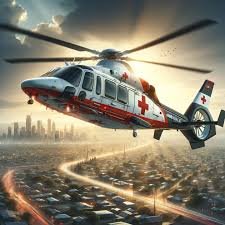
The call came in at 2:47 AM on a Tuesday in February. Tommy, a 34-year-old father of three from Poplar Hill First Nation, was having a massive heart attack. The nearest cardiac care unit was 400 kilometers away in Thunder Bay, and the winter road was impassable due to a blizzard that had been raging for two days.
In most of Canada, Tommy would have been in an ambulance within minutes and at a hospital within the hour. But Tommy lives in a reality that most Canadians never think about – where getting to life-saving medical care means waiting for weather to clear and hoping a plane can make it through.
This is the story playing out in dozens of Indigenous communities across northern Canada every week. And it’s why medical aviation isn’t just helpful up there – it’s literally the difference between life and death.
The Geography of Healthcare
I’ve spent the last five years working with northern communities, and the medical transport situation still shocks me. Imagine living somewhere where the closest emergency room is farther away than Toronto is from Ottawa, except there’s no highway to get there.
Cat Lake First Nation sits 600 kilometers north of Thunder Bay – that’s like driving from Toronto to Montreal, except for most of the year, there’s no road at all. During the brief winter road season, the trip takes eight hours over rough ice roads that can become deadly if the weather changes. The rest of the year, flying is the only option.
I remember talking to Mary, a grandmother in her sixties who’d been putting off her diabetes check-ups for months because the flights kept getting cancelled due to weather. “In the city, you complain about waiting two hours in emergency,” she told me. “Up here, we wait two weeks for the weather to clear just to get to emergency.”
That’s when you realize that Medical Air Charter Services aren’t a luxury or convenience in these communities – they’re basic infrastructure, like ambulances are in cities.
Real Stories from the Front Lines
During my time working with northern health coordinators, I’ve seen situations that would be unthinkable in urban Canada. Last spring, a pregnant woman in Kasabonika went into early labor at 32 weeks. The community’s nursing station stabilized her, but she needed immediate transport to a hospital with a neonatal intensive care unit.
The problem? A spring storm had grounded all flights for three days. When the weather finally broke, the medical evacuation happened so fast it took my breath away. Within an hour of getting the green light, a medical charter was airborne with a flight nurse and all the equipment needed to monitor both mother and baby during the flight.
Both are doing fine now, but that story could have ended very differently if reliable air medical transport wasn’t available.
Then there’s the flip side – bringing medical care to the communities. Dr. Sarah Chen, a cardiologist from Winnipeg, flies into remote communities twice a month to provide specialist care. Without these flights, her patients would have to travel hundreds of kilometers just for a consultation.
“I can see twelve patients in one day by flying to them,” Dr. Chen explained. “If they all had to come to Winnipeg, half wouldn’t make the trip due to cost, weather, or family responsibilities.”
Beyond Emergencies
People think medical flights are just about heart attacks and accidents, but the reality is much broader. Kids with chronic conditions like diabetes need regular monitoring. Elders require follow-up appointments after surgeries. Pregnant women need prenatal care that isn’t available in small nursing stations.
I watched a medical charter bring a dialysis technician and portable equipment to Sandy Lake for a week-long clinic. Three community members who’d been traveling to Thunder Bay three times a week for treatment could suddenly get their care at home, surrounded by family.
The mental health aspect gets overlooked too. When you know that medical help is just a phone call and a flight away, rather than a multi-day journey dependent on weather and road conditions, it changes how you think about your health and safety.
The Pilots and Crews Who Make It Happen
The aviation crews serving these medical routes aren’t your typical commercial pilots. They’re flying in conditions that would challenge military pilots, often to airstrips that are basically cleared patches of ground or frozen lakes.
Captain Jim Morrison has been flying medical charters in northern Ontario for twelve years. “Every flight is different,” he told me. “You might be bringing a newborn to intensive care in the morning and flying a surgical team to an emergency in the afternoon.”
These pilots don’t just know how to fly in rough weather – they understand the communities they serve. They know which families have elderly relatives who might need transport, which communities have pregnant women due soon, and how to coordinate with local health workers who speak multiple Indigenous languages.
The medical staff who fly these routes are equally impressive. Flight nurses like Janet Beargrease work in conditions that hospital nurses never face – providing critical care in a small aircraft, often in turbulent weather, with limited equipment.
“You learn to make every supply count,” Janet explained. “In a hospital, if you need something, you walk down the hall. In a plane, you work with what you brought.”
Making the Call
When someone in a remote community needs to Book A Private Charter Flight for medical reasons, it’s not like calling a taxi. Community health workers, family members, and aviation coordinators work together to assess the situation, determine the level of medical support needed during transport, and coordinate with receiving hospitals.
The process involves multiple people because the stakes are so high. A patient might need a flight nurse, specialized medical equipment, or coordination with surgical teams at the destination hospital. Getting any of these details wrong can be life-threatening.
I’ve watched health coordinators make these calls, and the stress is obvious. They’re not just booking transportation – they’re making decisions that directly impact whether someone lives or dies.
The Cost of Isolation
Here’s something that haunts me: how many medical emergencies in remote communities don’t get reported in urban media because they’re considered “normal” for those areas. A heart attack patient dying while waiting for weather to clear isn’t news – it’s just Tuesday in northern Canada.
The financial cost is staggering too. Medical evacuations can cost $15,000 to $30,000 per flight. Some communities burn through their entire annual health transport budget in a few months due to emergencies and weather delays.
But the human cost is what really matters. Families watching elderly relatives decline because regular medical visits are too complicated to arrange. Parents making impossible decisions about whether a child’s symptoms are serious enough to justify an expensive medical flight.
Technology and Hope
The good news is that technology is making these flights safer and more reliable. Better weather forecasting helps pilots make smarter decisions about when to fly. Improved aircraft equipment means medical crews can provide more sophisticated care during transport.
Telemedicine is helping too. Doctors in urban centers can now consult with nursing stations via video link, helping determine whether a patient needs immediate evacuation or can be treated locally. This saves both lives and money by ensuring flights happen when they’re truly necessary.
Some communities are also investing in landing strip improvements and better ground support equipment, making it easier for medical charters to operate safely in marginal weather conditions.
The Bigger Picture
What’s happening with medical aviation in Indigenous communities reflects broader issues about healthcare equity in Canada. These communities aren’t asking for special treatment – they’re asking for the same access to healthcare that urban Canadians take for granted.
The aviation companies and medical professionals serving these routes deserve recognition for work that goes far beyond normal business operations. They’re providing essential services to Canadian citizens who happen to live in challenging geography.
But ultimately, the responsibility belongs to all of us. When we talk about universal healthcare in Canada, that has to include Canadians living in remote areas. Medical air transport is part of making that promise real.
A Personal Reflection
After five years working in northern healthcare coordination, I’ve learned that medical air charters represent something profound about Canadian values. They show that we’re willing to use technology, skill, and resources to ensure that where you live doesn’t determine whether you live.
Every successful medical evacuation, every specialist brought to a remote community, every routine medical appointment made possible by air transport represents a commitment to the idea that all Canadians deserve access to healthcare.
The pilots, nurses, doctors, and coordinators who make this system work are doing more than their jobs – they’re upholding a promise that Canada makes to all its citizens, regardless of how remote their home might be.
Tommy, the heart attack patient I mentioned at the beginning, made it to Thunder Bay and survived. He’s back home with his family now, coaching his kids’ hockey team and working as a carpenter. His story could have ended differently, but it didn’t – because when minutes mattered, medical air transport was there.
For more Business blogs: visit us at https://uploadarticle.ca/category/business/ for all the latest updates and insights














Leave a Reply